How Altruism Rewires the Brain for Happiness
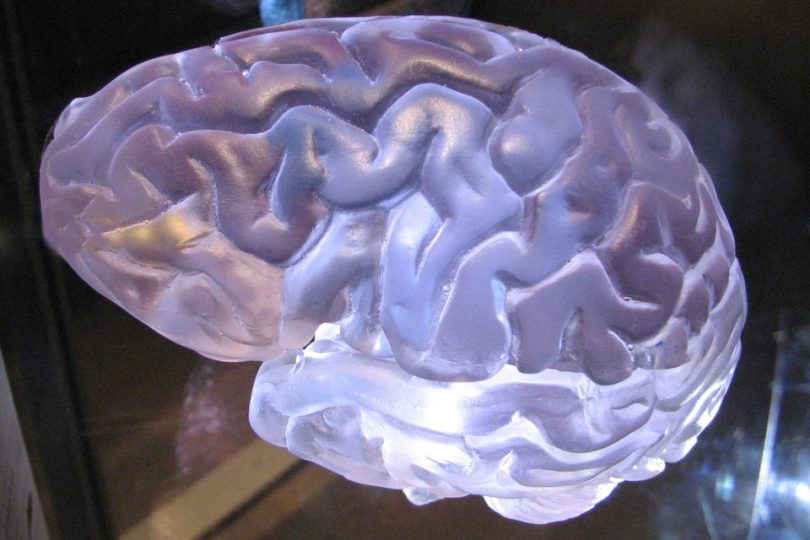
Neuroscientific research suggests that the brain is wired for altruism, offering a reward whenever we do nice things for others. If you can understand how your behaviour affects your mental wellbeing, then you can start to pick up new habits which encourage personal development. There are many causes of low mood, as well as many cures, but try putting your energy into helping others for the following benefits.
Giving Life Meaning
It can often be hard to find the strength to put your own happiness first. You may find that you treat yourself in a way that you would never treat someone else. If helping yourself achieve a happy life is not enough motivation, then try providing happiness for others.
There is growing evidence to suggest that helping others provides meaning. Be sure to balance this with the understanding that they have ultimate control and their success of failure is up to them and not you. However, by doing good for others you may find a sense of meaning that you never had before.
Combating Isolation
A symptom of low mood can be social withdrawal. You may find yourself turning down invitations to socialise and gradually become isolated from the community. This could be lead to further deterioration of your mental health. However introverted you think you are, your brain craves social interaction occasionally and will reward you with a boost in mood.
By actively engaging in altruism, you will necessarily come into contact with others. It will provide motivation to stay social and build a support network. By living altruistically each day, people will return the favour when you are in need. You can also build communication skills, which can help you to form stronger relationships.
Maintaining Perspective
Another great mental health benefit of altruism, especially charity work, is that it helps to create feelings of gratitude. If you spend any time working at large refugee camp in Africa, you have a greater understanding of the world. That’s not to say that your problems aren’t real and important, but it allows you to focus on the things you do have which bring you joy.
If you have a stable place to live, enough food and good friends and family, then you don’t need many other tangible items. This can help you to realise that focusing on emotional development and neurochemistry can help you to live with a mental condition. Emotional suffering is just as real as physical pain, but by being altruistic and seeing how others live, you know where to place your focus.
Humans are deeply social, having evolved in close knit communities. Latest scientific research is confirming the theory that we are therefore wired to be altruistic. If you are looking for a sense of purpose in your life, then dedicate more time to helping others. You may find yourself building new friendships and maintaining a clear perspective about your life circumstances. Just be sure that this altruism does not come at the cost of taking good care of your own needs.