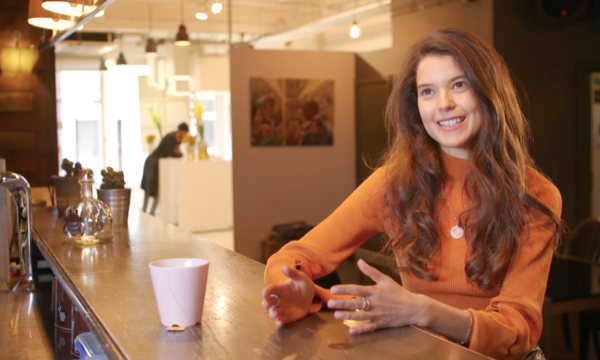
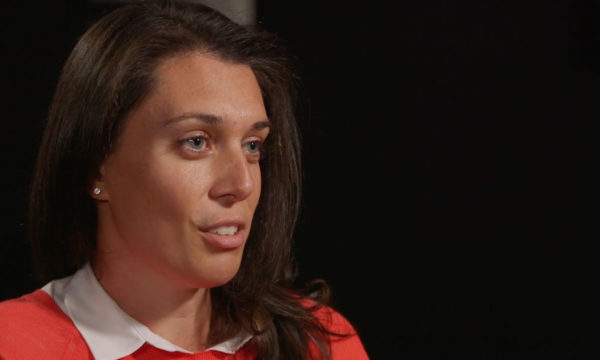
Head Talks was delighted to partner with Sarah-Ann Macklin on her Be Well Collective event in the build-up to London Fashion Week, to provide mental and physical support for models during this stressful time. We wanted to share some of the recommendations from the expert panellists with our community, as they are helpful for everyone, and cover topics as diverse as nutrition, sleep and managing stress levels. So, if you’re on deadline at work, heading into exams, or just struggling to cope with the day, try adding some of these ideas into your daily routine.

Nutrition
- Nutrition starts not with counting calories, but with looking at nutrient-rich ingredients, while including all food groups.
- During stressful periods, increase your Omega 3 intake. As well as benefitting our skins, high levels of omega-3s reduce the release of stress hormones during tough times.
- Ditch the sugar. We have no biological requirement for sugar. Sugar we know causes inflammation, affects our blood glucose levels, causes mood swings, crashes our energy levels, and causes weight gain. Swap the chocolate and fizzy drinks for foods that are rich in fats and proteins such as nuts, avocado, and oily fish. This will help avoid blood sugar crashes and helps to steady our moods and reduce food cravings.
- Be prepared and don’t skip meals. If you are rushing around, take a moment to prepare and take some snacks with you, like nuts, boiled eggs or protein balls.
- The more you deprive your body of energy, the more fat storage it will create and the more you are likely to binge or overeat.
- Long period of not eating leads to an increased secretion of gastric acid, and bloating or digestive problems, as well as an increase in our stress hormone cortisol.
Hydration
When we’re not having enough water our blood volume level drops and the heart has to work harder to keep us awake. If you were tired before, you’ll be making matters worse without water.
Exercise
Exercise can significantly impact mental health and plays a part in how you manage stress. However, if you already have a healthy regime, don’t try and match your normal volume of exercise during busy and stressful periods. Over-training can compromise your immune system, so use it as a means to de-stress, nothing more.
Sleep
- The sleep hormone melatonin rises at night but drops with stimulation. Avoid caffeine in the evenings – even ‘decaf’ tea, which can still contain caffeine! Look for teas that contain oat flower, valerian and lime flower.
- Avoid sources of blue light that impact on your circadian rhythm. Set your smartphone to ‘night mode’. If you’re using a computer in the evenings, try not to use in your bedroom, and try downloading f.lux – free software that warms up your computer display.
- Your body temperature is also important – too hot and it can slow the release of melatonin, so avoid eating spicy food in the evenings and having hot showers/baths before bed. Instead try a cooler bath or foot soak with flakes of magnesium, a natural muscle relaxant.
- Low GI (complex) carbs can help aid in the release of serotonin so combining these into evening meals can help aid release alongside managing blood glucose levels.
Managing stress
- Friends and loved ones. Time with people you care about – and who care about you – can be one of the best coping mechanisms for stress. As they say, a problem shared is a problem halved.
- Spend time in nature. Stress is a totally natural biological process and there are many natural ways to buffer the effects of stress. Spending time in nature is perhaps one of the best.
- Find things that make you laugh. Laughter releases feel-good hormones in the brain that change the central nervous system and in turn relieve stress. Easy fix: watch your favourite comedy show or download a classic comedy.
What if I’m suffering from anxiety?
- Don’t struggle in isolation. As soon as you recognise you are struggling, talk to someone so that you can get the right support – that may be a family, friend, GP or charity.
- Positive self-talk. Give yourself an overinflated pep-talk along the lines of “I can, and I will, get through this – and succeed.”
- Lean into the discomfort. Stress, when recognised and managed, is positive and acts as an alarm to get your mind and body ready. It’s priming you to deal with the mental or physical discomfort ahead.
With thanks to the speakers at the Be Well Collective event:
Sarah-Ann Macklin, nutritionist, model, and founder Be Well Collective
Dr Nick Knight, a London-based GP
Howard Napper, TEDx speaker of ‘The Art of Lifestyle Medicine’
Jillian Lavender, founder of the London Meditation Centre
And thanks to the W hotel in London for helping curate a delicious Fashion Fix menu.